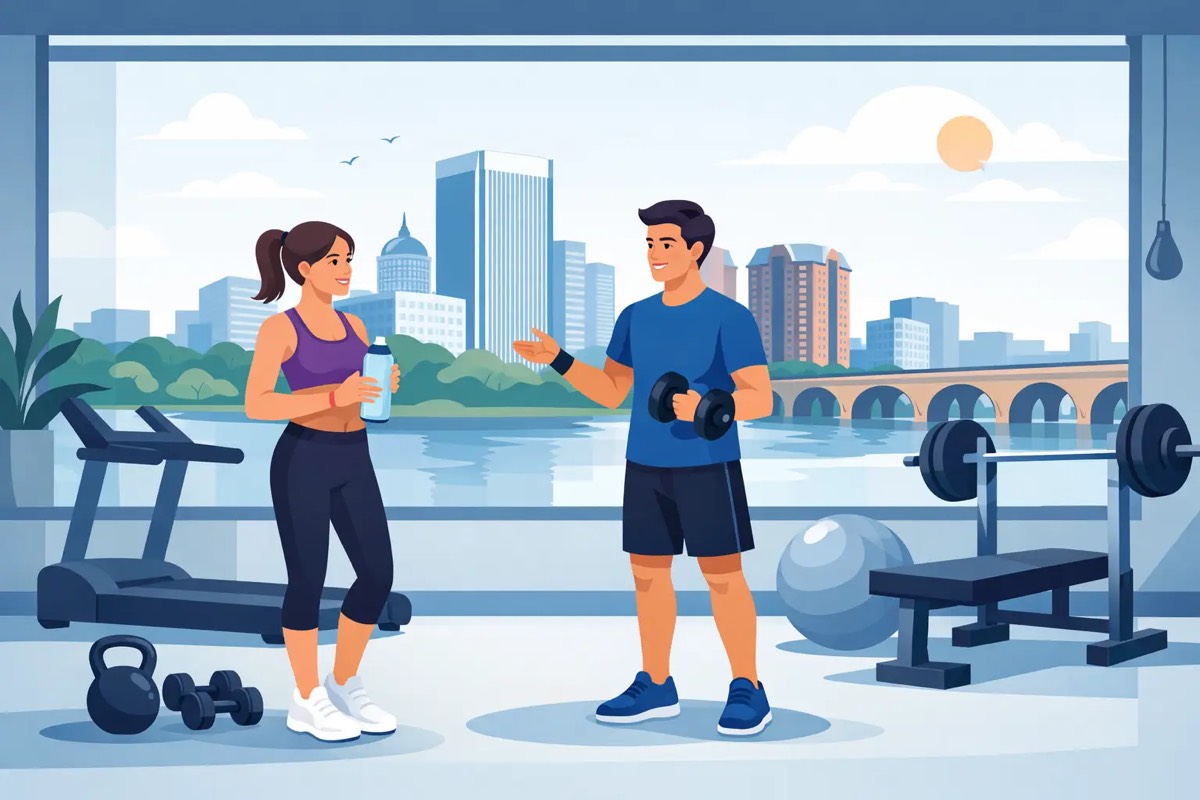
Your First Time Gym Workout in Richmond Plan
What to do before your first gym workout
The hardest part of a first time gym workout is rarely the workout itself. It is walking through the door while wondering where to start, whether you are using the equipment correctly, and if everyone else knows more than you do. The answer: start simple, train with purpose, and give yourself permission to be new.Set one clear goal for the session: get familiar with the gym and complete a full body workout with good form. This is not the day to test your limits, chase a personal best, or copy an advanced routine from social media. Your first win is showing up and understanding the basics.Wear comfortable clothes you can move in, supportive athletic shoes, and bring a water bottle. If you have a medical condition, recent surgery, significant pain, dizziness, or an injury that affects movement, speak with a qualified health professional before beginning. Training can be a powerful part of feeling better, but the right starting point depends on your body and history.Arrive 10 to 15 minutes early. Take a quick walk through the facility, find the washrooms and water station, and notice where the cardio machines, strength equipment, stretching area, and staff desk are located. A clean, well organized gym makes this easier, but asking for help is always the smart move. A complimentary one-on-one personal training introduction can help you learn equipment setup, discuss goals, and build a plan that fits your current ability.
Keep it full body and manageable
For most beginners, two to three full body strength sessions per week are a better starting point than training one body part every day. Full body sessions build movement confidence, give muscles time to recover, and make a missed workout less disruptive.Start with five to 10 minutes of easy cardio. Choose a treadmill walk, stationary bike, elliptical, or another machine that feels comfortable. You should be able to hold a conversation. The goal is to raise your body temperature and settle into the session, not burn yourself out before strength training begins.After your warm up, complete one or two sets of each exercise below. Choose a weight that feels controlled for eight to 12 repetitions, with two or three good repetitions still left in the tank. Rest for about 60 to 90 seconds between sets.
Learn these six foundational movements
Leg press. The leg press lets you train your legs with more stability than a free weight squat. Set the seat so your back stays supported and your knees can bend comfortably. Press through your whole foot, not just your toes, and avoid locking your knees at the top.Seated row. A seated row trains the upper back, which supports posture and shoulder health. Sit tall, keep your chest lifted, pull the handle toward your lower ribs, and return slowly. Do not lean back and turn the movement into a swing.Chest press. The machine chest press is a beginner friendly way to strengthen the chest, shoulders, and triceps. Adjust the seat so the handles line up roughly with mid chest. Press smoothly, then return with control. If your shoulders pinch or feel painful, stop and ask for an adjustment or exercise alternative.Lat pulldown. This exercise builds strength through the upper back and arms. Pull the bar toward the upper chest while keeping your ribs down and shoulders away from your ears. A lighter weight with a controlled range of motion will teach you more than using a stack that forces you to jerk the bar down.Shoulder press. Choose the dumbbell or machine version that feels stable and comfortable. Keep the weight light on your first day and avoid forcing a range of motion that does not feel natural. Strong shoulders are useful, but they respond best to patience and precise technique.Box squat or supported split squat. Use a bench or box as a target for a bodyweight squat. Sit back under control, stand by pushing through your feet, and keep your knees tracking in the same direction as your toes. Holding onto a stable support for a split squat is completely appropriate when balance is still developing.Finish with five minutes of easy walking and a few relaxed stretches for areas that feel tight. You do not need an extended cooldown routine. Slow your breathing, hydrate, and notice how your body feels.
How hard should a beginner workout feel?
A first workout should feel like work, not punishment. You may notice your muscles working, breathe harder than usual, and feel slightly tired afterward. You should not feel sharp pain, nausea, chest discomfort, or light headedness. Stop immediately if you do.Muscle soreness can appear one or two days after a new workout, especially in the legs. Mild soreness is normal. Severe pain, major swelling, joint pain, or soreness that changes how you walk or function is a sign to back off and seek appropriate advice.The best intensity marker is simple: finish your session feeling as though you could have done a little more. This leaves room for recovery and gives you confidence to return. Progress comes from repeated quality sessions, not one heroic effort.
Common first-gym mistakes to skip
Many people begin with too much volume because they believe soreness proves success. It does not. Starting with 30 to 45 minutes, including your warm up, is enough for most first sessions.Avoid changing your routine every visit. The first few weeks are about practising the same key movements so you can learn form, recognize progress, and gradually add weight or repetitions. Consistency makes results measurable.Do not compare your starting point with someone else's middle chapter. Richmond gyms include first time exercisers, serious lifters, people rebuilding after injury, athletes, older adults, and everyone in between. The person beside you may have different goals, experience, and recovery needs. Your plan should reflect yours. If you are unsure about the unwritten rules of the floor, our gym etiquette guide covers the basics.Finally, do not wait until you feel fully confident to ask a question. Correct seat position, machine setup, and technique cues can change how an exercise feels immediately. Certified coaching is especially valuable if you are returning after a long break, managing discomfort, or want to learn free weights safely.
Build a routine you can keep
For the first two weeks, aim for two gym visits. Repeat the same full body structure, keeping the weights conservative. If you finish both sessions feeling good, add a third weekly visit or add one extra set to a few exercises.Your routine can also include walking, reformer Pilates, mobility work, or light cycling on non lifting days. There is no single best training style. Strength training may be your main priority if you want to build muscle, improve bone health, or feel stronger in daily life. Pilates may be a better complement if you want focused core work, controlled movement, posture support, and mobility. For many people the most effective plan includes both.Track a few basics in your phone: the exercise, weight used, repetitions, and how the session felt. Small improvements count. One additional repetition, a smoother squat, less hesitation around a machine, or showing up after a busy workday are all signs that your routine is taking hold.If you want to try the floor before committing to a membership, a day pass is a low pressure way to see whether the space suits you. Your first session is not a test of fitness. It is a practical decision to invest in strength, confidence, and better movement.
More Articles
Ready to train?
Start Your Journey at Fittopia
Whether you are brand new to fitness or looking to level up, Fittopia has the coaches, equipment, and environment to get you there.
Plan your first visit →